
BEYOND DANCE.
By Amy Relf
How Do I Help My Child Settle Into Dance Class?
Starting dance class is a big (and exciting!) milestone—for both children and parents. New teachers, new friends, new routines… It's a lot to take in. A few nerves are completely normal, and in fact, they’re part of something much bigger: your child is learning, building confidence in themselves, gaining independence, and learning to trust themselves and others.
The good news? Science shows that dance classes don’t just teach steps—they help children build self-esteem, reduce anxiety, and develop social confidence over time.
Let’s look at how you can support your child every step (or shuffle!) of the process.
Before class preparation
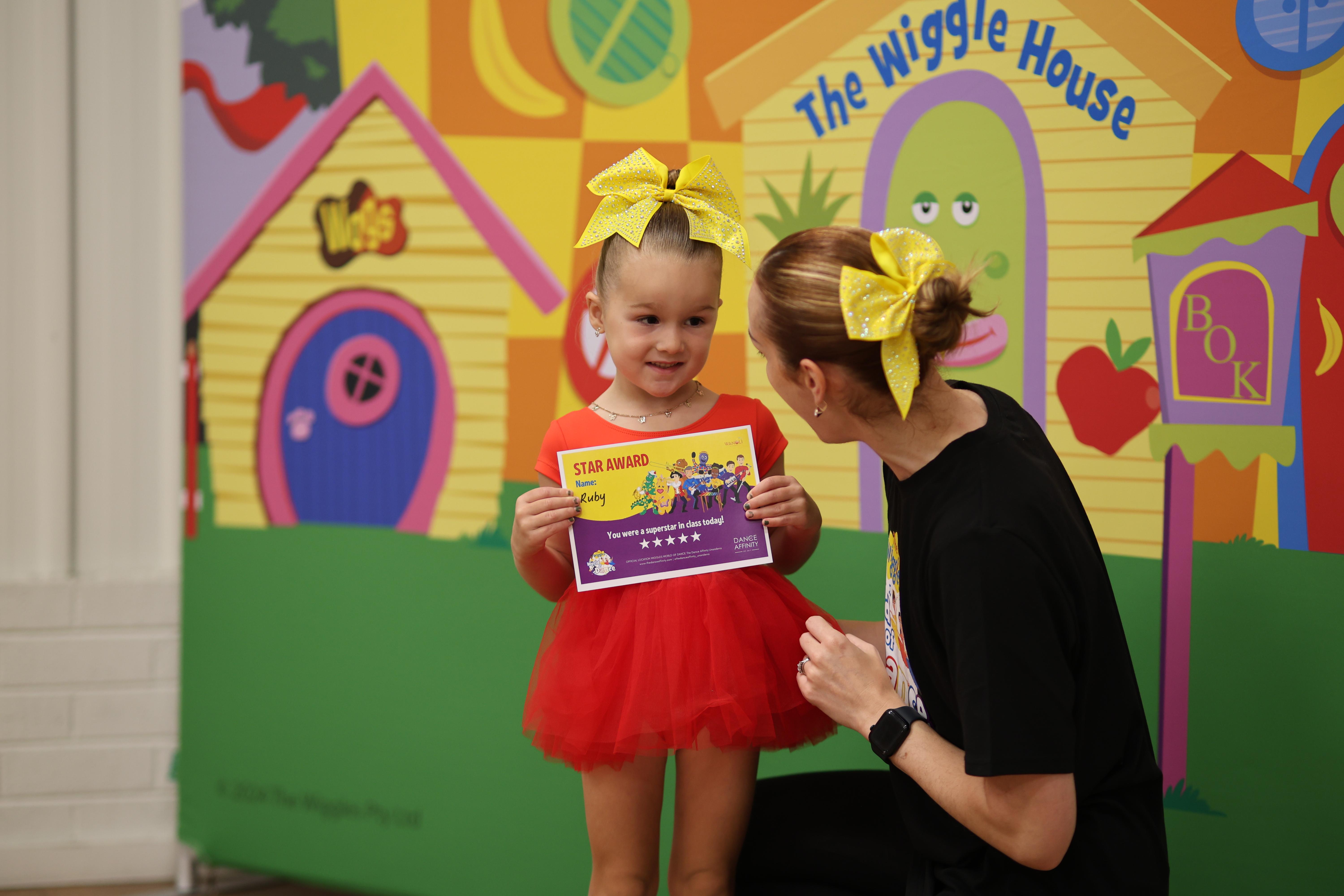
A smooth start begins before you even step into the studio.
Children thrive on familiarity and routine. When something feels predictable, it feels safe. Try talking through what will happen in class: who they’ll meet, what they might do, and when you’ll be back. Even simple phrases like “You’ll dance, play, and I’ll be right outside” can go a long way.
You can also:
- Visit the studio beforehand if possible
- Pack a comfort item (like a small teddy) for early weeks
- Practice short separations at home or during playdates
Research shows that gradual exposure to new environments helps children build confidence and reduces anxiety over time.
During class
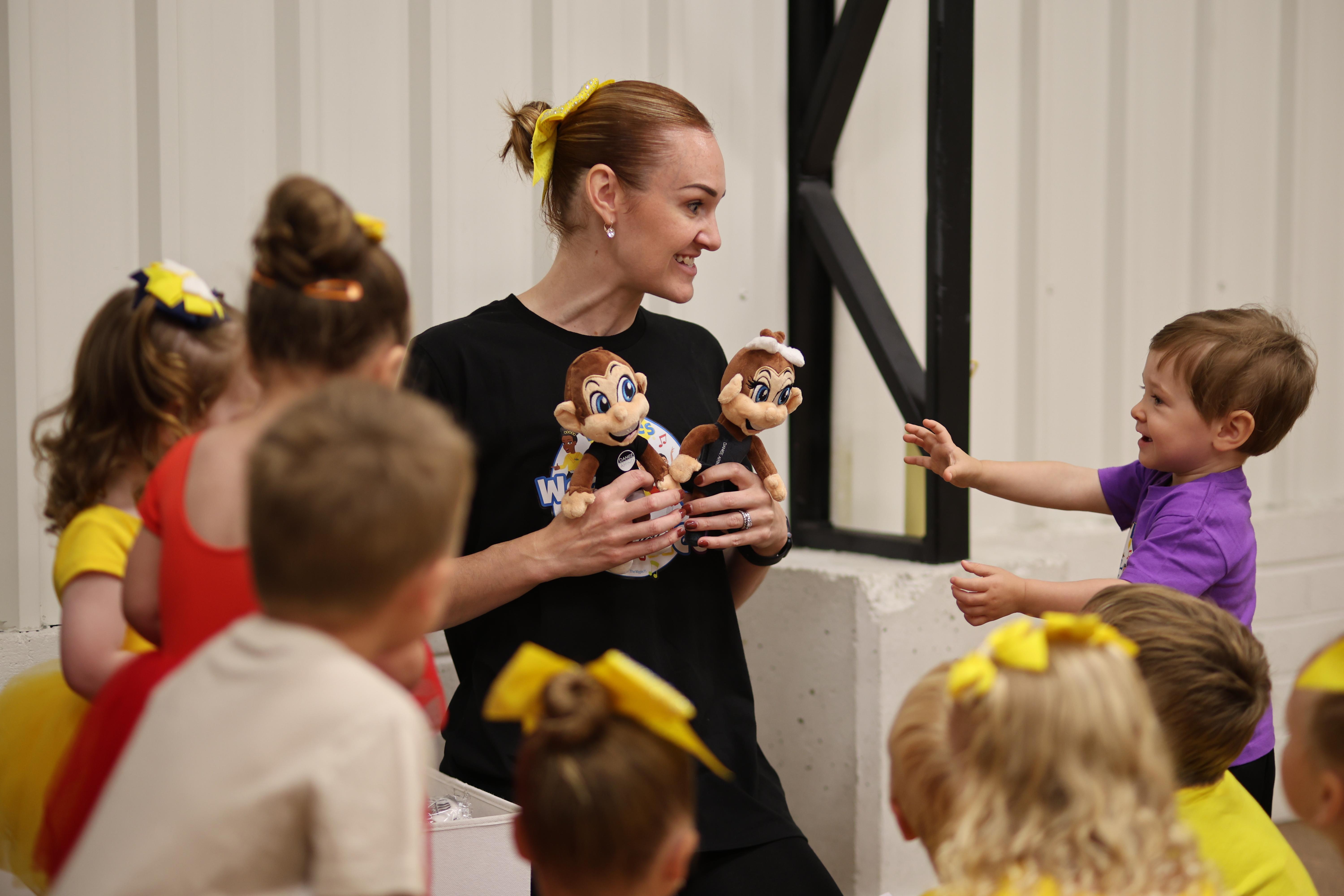
This is often the trickiest part—for parents as much as children!
It might feel natural to stay close or step in, but trusting the teacher is incredibly important. Dance teachers are trained to create calm, structured environments where children feel safe and supported.
Here’s the science-backed part:
When children learn to follow instructions from another trusted adult, it strengthens their independence, attention skills, and social development.
And yes—those first few tears? Totally normal.
Separation anxiety is a typical developmental stage as children learn they can be okay without a parent right beside them. It does feel tricky to hear your child cry, but the brain grows during discomfort and if we constantly step in, we are teaching their brains that they cannot cope with this issue and we reinforce that each time we rush in to help.
What helps most when your child is participating in their class:
- Keep goodbyes short and confident
- Avoid “sneaking out” (it can increase anxiety).
- Trust the process—most children settle within a few weeks
If it is too hard to listen to tears, see if you can go and grab a coffee or support doughnut for the first 10 minutes to help you with your own feelings, and reduce temptation to go and soothe your darling.
After class
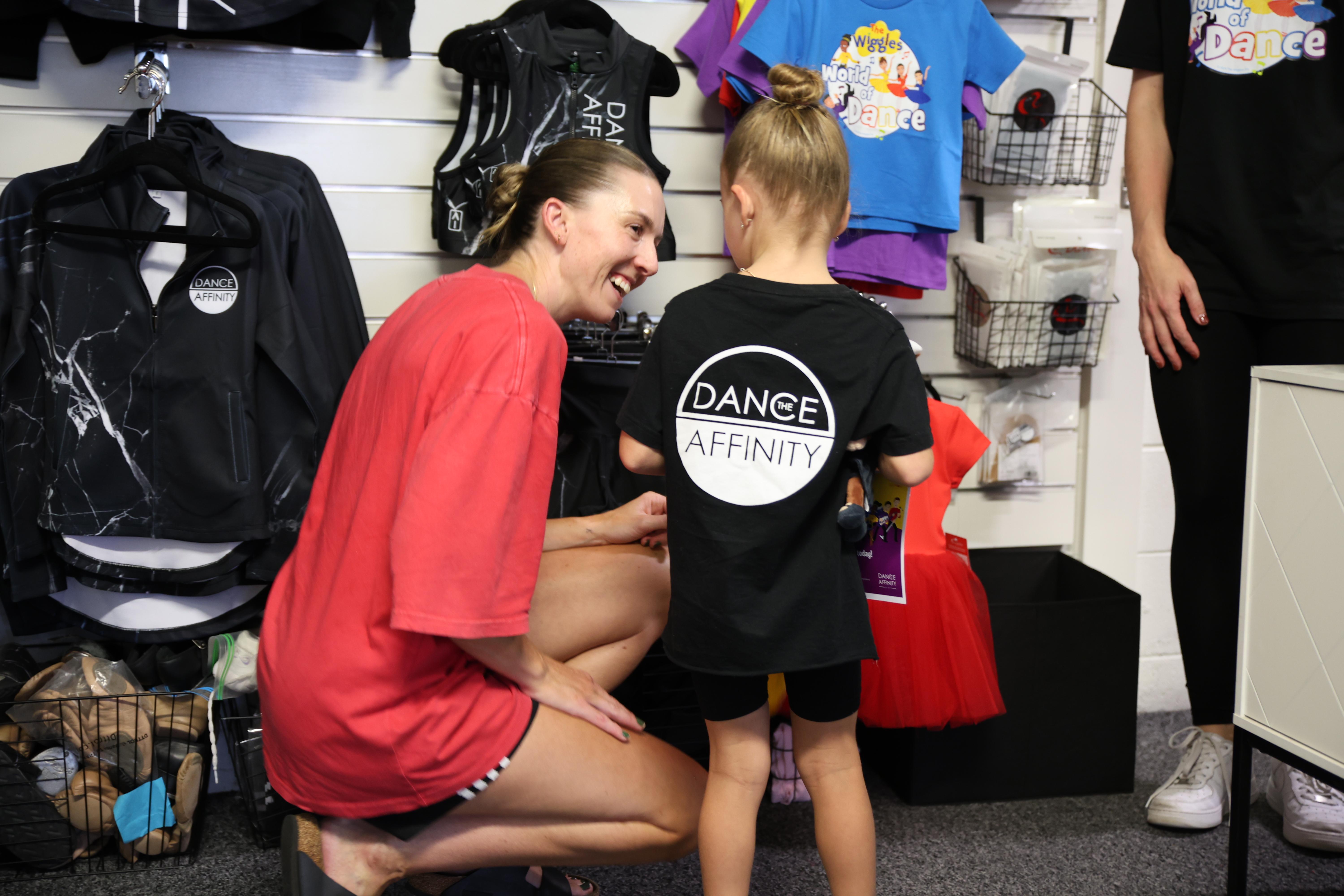
Reconnection is key!
When class finishes, give your child time to share their experience in their own way—whether that’s excited chatter, quiet cuddles, or showing off a new move.
Instead of asking “Were you good?”, try:
- “What was your favourite part?”
- “Can you show me what you learned?”
- “Did anything funny happen today in class?”
This builds a sense of pride and ownership. Over time, children begin to associate dance with positive feelings and personal achievement—not just parental approval.
Studies show that activities like dance support emotional expression and help young children communicate feelings they may not yet have words for. Which helps build their capacity to form responses when things are tricky.
Between classes
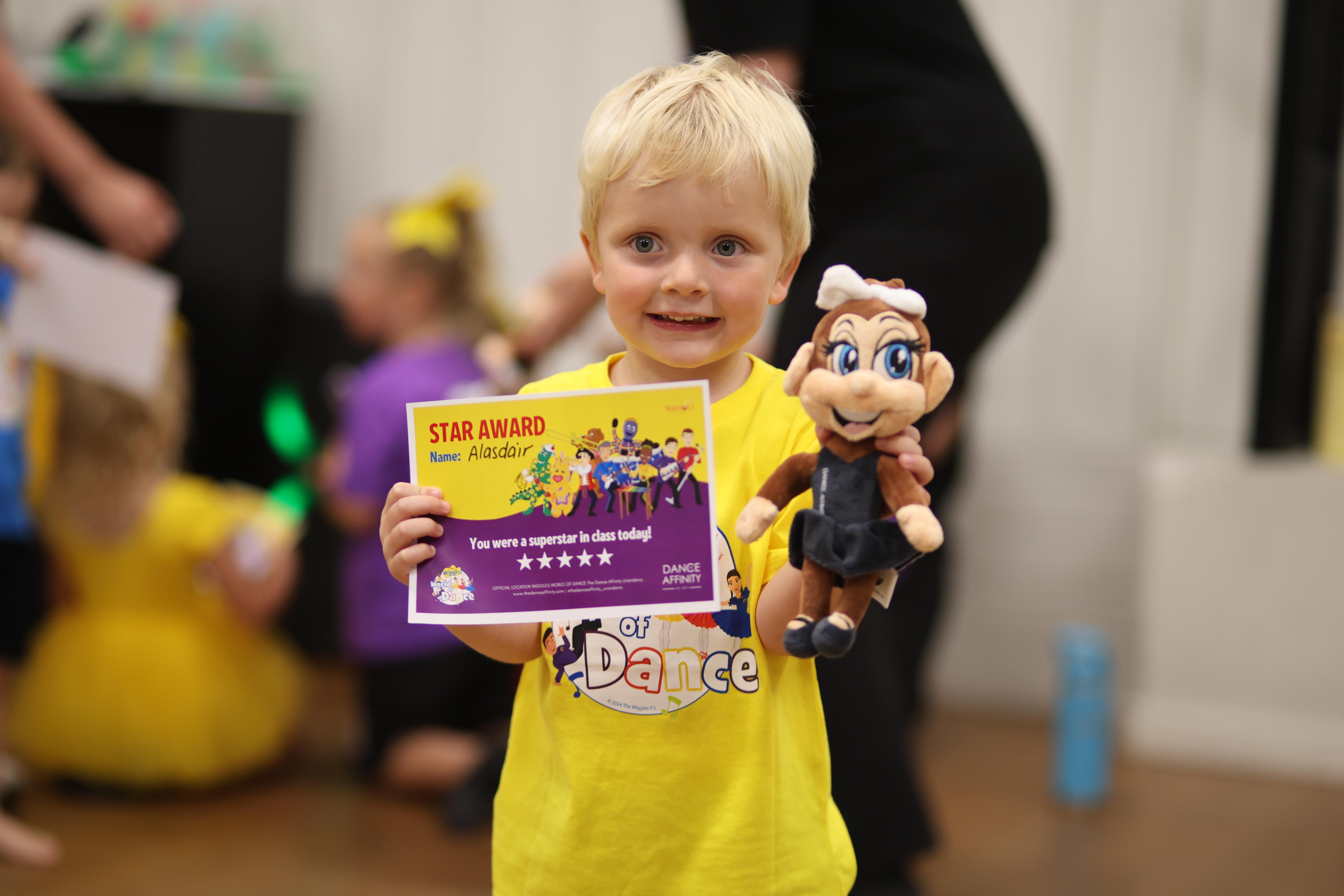
Growth happens in the gaps between lessons.
Encourage your child to:
- Dance at home freely (no pressure!)
- Talk about their teacher and classmates
- Practice independence in small ways (packing their bag, putting on shoes)
Why does this matter?
Psychological research shows that independence-building experiences help children develop confidence and reduce anxiety long-term.
Consistency is also powerful. Even if the first few weeks feel rocky, sticking with the routine helps children feel secure—and most settle in beautifully with time.
A final note for parents
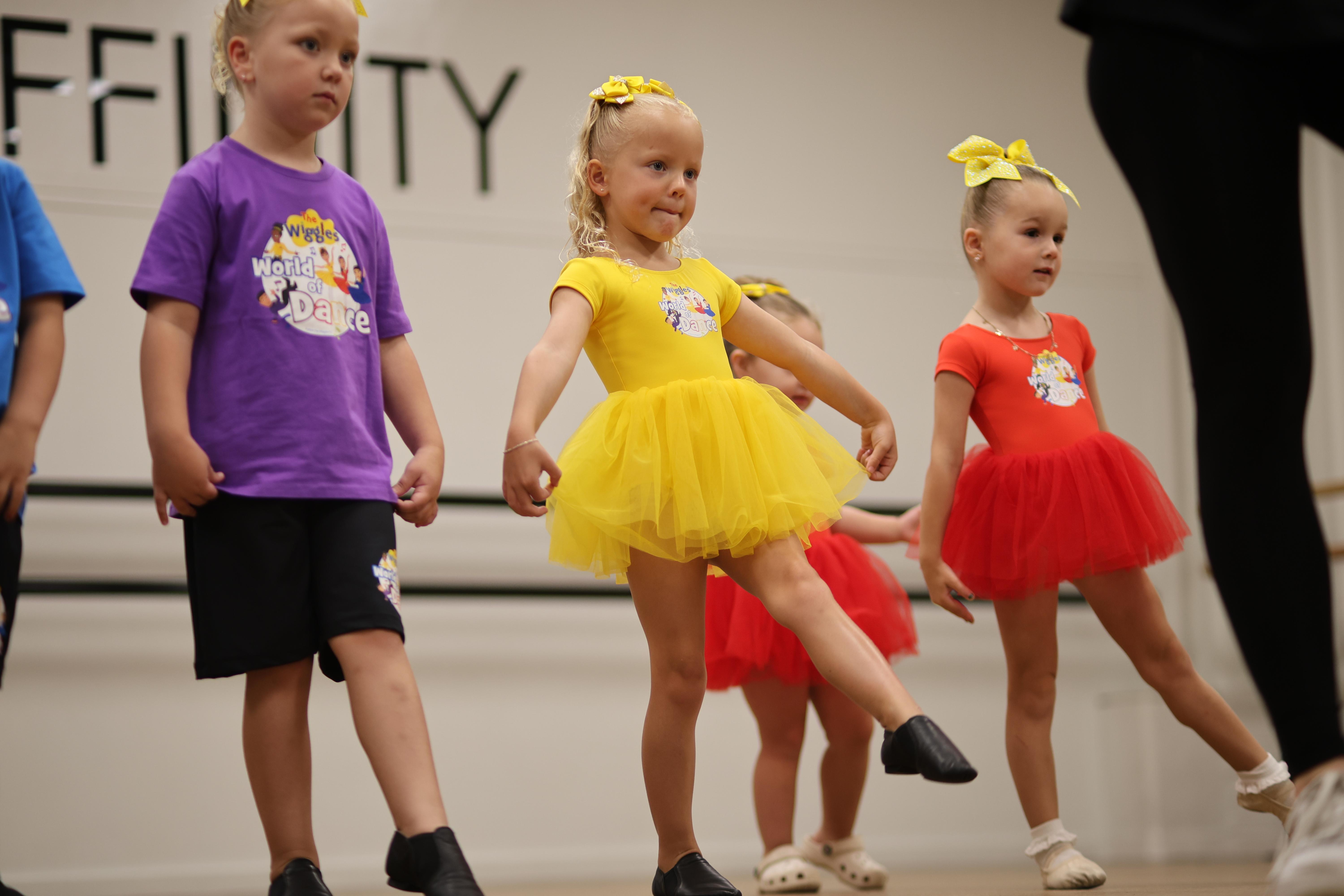
It can be hard to step back. Watching your child navigate something new without you isn’t always easy.
But here’s the important part:
By giving your child space to connect with their teacher and peers, you’re helping them build resilience, confidence, and a strong sense of self.
And that’s a skill that lasts far beyond the dance studio.
So take a breath, trust the teacher, and get ready to watch your child shine—one class at a time.